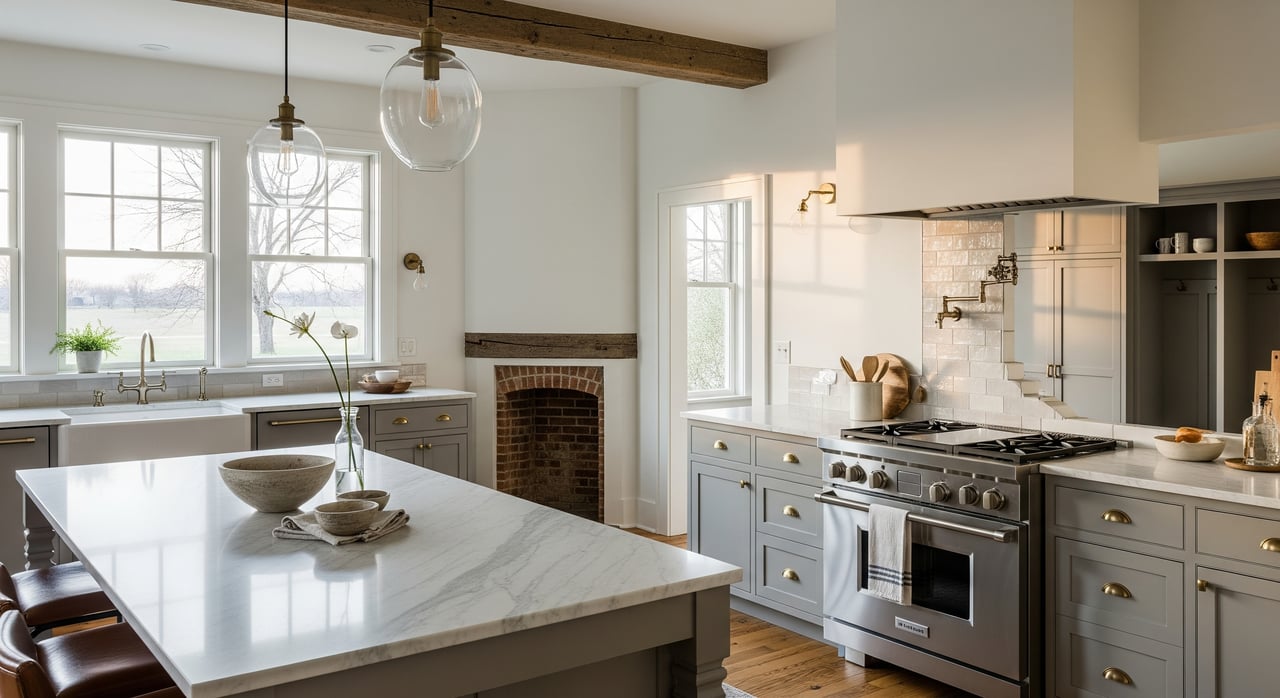
Thinking about listing this spring but not sure if you should tackle updates or sell your New Paris home as‑is? You are not alone. In a smaller Elkhart County market where buyer pools can be thinner, the right prep can make a real difference in price, speed, and negotiation. This guide gives you a simple framework, realistic timelines and costs, and local context so you can choose the path that fits your goals and budget. Let’s dive in.
New Paris market reality
New Paris is a small community shaped by Elkhart and Goshen commuter patterns and the local manufacturing and RV economy. That means there are fewer active buyers than you might see in larger metros, which can magnify the impact of condition on your results. Move‑in‑ready homes usually draw a wider owner‑occupant pool and sell closer to comparable prices.
When you list as‑is, your buyer pool often shifts toward cash buyers, investors, and renovation‑minded shoppers. In a smaller market, there are typically fewer of these buyers, and they will expect a discount for repairs and holding costs. Before you decide, review recent New Paris and Elkhart County comps by condition with your agent so your pricing reflects local reality.
What sells this spring
Quick, high‑ROI updates
Low‑cost, high‑impact projects tend to deliver the best short‑term return and help you hit the spring window.
- Curb appeal and exterior touch‑ups
- Timeline: 1–7 days
- Typical cost: $300–$3,000
- Examples: pressure wash, mulch, trim, repaint front door, repair steps or rails
- Deep cleaning, declutter, minor fixes
- Timeline: 1–7 days
- Typical cost: $100–$1,000
- Examples: professional clean, remove personal items, fix leaky faucets, replace bulbs
- Interior paint in neutral colors
- Timeline: 2–7 days
- Typical cost: $800–$4,000
- Impact: fresh, move‑in feel that photographs well
- Staging or strong visual presentation
- Timeline: 1–3 days to install
- Typical cost: $500–$3,000+
- Options: partial staging or virtual staging, especially for vacant homes
- Minor kitchen or bath refresh
- Timeline: 1–4 weeks
- Typical cost: $1,500–$15,000
- Examples: new hardware, painted cabinets, faucet replacement, vanity top swap, tub reglaze
These updates often shorten days on market and reduce inspection renegotiations without delaying your listing for months.
When big remodels do not pay fast
Full kitchen or bath renovations, structural work, or major layout changes can take 2–6 months or more and cost $15,000–$75,000+. In many cases, large projects do not fully recoup costs right away and can cause you to miss the spring selling window. National insights show minor, cosmetic improvements tend to deliver stronger short‑term ROI, but your exact results depend on New Paris comps and buyer demand. Work with your agent to confirm how local appraisals and sales support upgraded pricing.
How condition affects price and buyers
Move‑in‑ready homes
- Attract: owner‑occupants using conventional financing
- Benefits: larger buyer pool, smoother appraisals
- Pricing: can sell at or above local comps with strong marketing
Cosmetic fixer homes
- Attract: DIY buyers, value‑add seekers, some investors
- Financing: conventional possible if the home is habitable; FHA/VA may require certain repairs
- Pricing: typically discounted versus updated homes
Significant repair or as‑is properties
- Attract: investors, cash buyers, renovation‑ready purchasers
- Financing: often limited to cash or rehab loans in small markets
- Pricing: larger discounts and more negotiation around contingencies
A simple example
Imagine two paths for a New Paris home this spring:
- Path A: Spend about $3,000 on paint, landscaping, and light staging over 10–14 days. You list sooner, photos pop, and you attract more conventional buyers.
- Path B: Commit $25,000 to a full kitchen remodel that takes 8–12 weeks. You may achieve a higher list price, but you delay the listing and limit your spring exposure.
No two homes are alike, and there are no guaranteed outcomes. Use local comps to estimate likely pricing under both scenarios and compare your net, including carrying costs and time.
Decision framework for New Paris sellers
Use this step‑by‑step process to choose your strategy:
- Define your timeline. Do you need to list within 1–3 months for spring, or can you wait 3–6 months or more?
- Set a budget. Decide how much you can allocate for pre‑listing work.
- Get data. Ask your agent for a CMA that compares similar homes by condition, days on market, and list‑to‑sale ratios.
- Consider a pre‑listing inspection. Identify major issues versus cosmetic items early.
- Gather bids. Request written estimates for safety and system repairs and for high‑impact cosmetic updates.
- Compare net proceeds. Model as‑is versus updated scenarios, including expected sale price, costs, concessions, and carrying costs.
- Choose the path that fits your net, timing, and risk tolerance.
Pre‑listing checklist
- Safety and system issues: electrical hazards, HVAC failures, active leaks, roof concerns, structural items
- Cosmetic wins: interior paint, flooring in poor condition, kitchen and bath cleanliness, odor removal, exterior landscaping
- Cost vs uplift: rely on written contractor and staging estimates
- Carrying costs: mortgage, taxes, insurance, utilities during any work
- Spring timing: complete small updates quickly to capitalize on seasonal demand
- Financing effects: confirm with your agent how local appraisers treat upgraded vs unrenovated comps
What to fix before listing
Some items are worth addressing even if you plan to sell as‑is. Focus on safety and habitability, like roof leaks, major electrical issues, and active water or structural problems. These issues can limit buyer financing options and shrink your buyer pool to mostly cash or rehab‑loan purchasers.
Selling as‑is in Indiana
“As‑is” is common language, but it does not remove your duty to disclose known material defects. Complete Indiana’s required seller disclosure forms and consult your agent or an attorney if you have questions. Buyers using conventional loans expect basic standards; significant deficiencies often steer the sale toward cash or specialized renovation financing, which is less common in small markets.
Local timeline tips for spring
- Weeks 1–2: Declutter, deep clean, complete minor repairs, get paint and landscaping done.
- Week 2–3: Photography and staging, review comps, confirm pricing strategy.
- Week 3–4: List with a clear marketing plan, including strong online presentation.
If larger projects push you beyond spring, weigh the extra time and carrying costs against the potential price lift.
Who to call and what to gather
- Listing agent with recent Elkhart County experience
- Home inspector for a pre‑listing inspection
- General contractor plus licensed trades for bids and permitted work
- Stager or real estate photographer for presentation
- Real estate attorney for disclosure or complex title matters
Request at least two written estimates for any repair over $1,000, and ensure licensed trades complete electrical, HVAC, and plumbing work so future buyers and appraisers have proper documentation.
Ready to choose?
Whether you make a few strategic updates or sell as‑is, the right plan starts with local data and a clear timeline. If you want help comparing scenarios, pricing by condition, and preparing a spring‑ready launch, connect with a local expert who knows New Paris and Elkhart County. Schedule a consultation with Ashley Lambright to map your best move.
FAQs
What does selling a home as‑is in Indiana really mean?
- You are selling without agreeing to make repairs, but you still must disclose known material defects using Indiana’s required forms and remain truthful in all statements.
How much do minor pre‑listing updates cost in New Paris?
- Budget roughly $100–$1,000 for cleaning and small fixes, $800–$4,000 for interior paint, $300–$3,000 for curb appeal, and $500–$3,000+ for staging depending on scope.
Can I sell a fixer‑upper to FHA or VA buyers?
- Possibly, but the home must meet habitability standards; significant issues can require repairs before closing or limit the pool to conventional, rehab, or cash buyers.
How long will an as‑is home take to sell in New Paris?
- It depends on condition, pricing, and comps. Smaller markets have fewer investor and rehab buyers, so as‑is homes can face longer days on market without sharp pricing.
Should I get a pre‑listing inspection if I plan to sell as‑is?
- It is optional but helpful to identify major issues early, inform pricing, and reduce surprises that can derail negotiations or appraisals.